(864) 559-8183 hello@mixiland.com
Select Page
The Brand Messaging Starter Kit: The Tool Every Founder Should Use Before They Build Anything

The Brand Messaging Starter Kit: The Tool Every Founder Should Use Before They Build Anything

Most founders don’t have a messaging problem — they have a clarity problem.

They’re building, pitching, selling, hiring, and creating content… all while relying on a brand story that lives half in their head and half in a scattered collection of notes, pitch decks, and Slack messages. And when your messaging isn’t clear, everything downstream becomes harder than it needs to be.

That’s exactly why I created the Brand Messaging Starter Kit — a simple, strategic, founder‑friendly framework that helps you articulate the core of your brand before you invest in design, websites, marketing, or GTM execution.

This isn’t a fluffy worksheet. It’s the same structure I use with clients to build brands that feel confident, differentiated, and aligned with where the business is going.

Let’s break down what’s inside.

Why Brand Messaging Matters More Than Ever

Your brand isn’t your logo, your color palette, or your website. Those are expressions of your brand — not the foundation.

Your brand is the story you tell, the value you deliver, and the language you use to earn trust.

When your messaging is clear:

  • Your website converts more effectively
  • Your marketing becomes easier to plan
  • Your sales conversations feel natural
  • Your team can articulate the brand consistently
  • Your audience understands why you’re the obvious choice

When it’s not clear, everything feels like pushing a boulder uphill.

What’s Inside the Brand Messaging Starter Kit

The kit walks you through the essential components of a strong, scalable brand foundation:

1. Brand Essence

Define your promise, purpose, and values — the core of who you are and why you exist.

2. Audience Clarity

Get specific about who you serve, what they care about, and what motivates them to take action.

3. Positioning

Articulate what makes you different and why your solution is the one that matters.

4. Messaging Pillars

Build the 3–4 themes that anchor your website, pitch deck, and marketing.

5. Brand Voice

Choose the tone, attributes, and guidelines that make your communication unmistakably yours.

6. Signature Statements

Craft the lines you’ll use everywhere — your elevator pitch, tagline, and brand story.

7. Proof & Credibility

Identify the results, outcomes, and authority markers that reinforce trust.

And then — the part founders love most — a full‑page, actionable final checklist you can literally check off as you finalize your messaging.

Why I Built This

I work with founders, operators, and early‑stage teams who are building fast and making decisions even faster. They don’t need a 60‑page brand book. They need clarity they can use tomorrow.

This kit gives you that clarity.

It helps you:

  • Make better creative decisions
  • Write stronger copy
  • Build a more compelling website
  • Align your team
  • Communicate your value with confidence

And it gives you a taste of what it feels like to work with a partner who brings structure, strategy, and editorial precision to your brand.

Ready to Get the Kit?

I’m making the Brand Messaging Starter Kit available as a free download — a complete, beautifully structured, founder‑friendly tool you can use immediately.


👉 [Download the Brand Messaging Starter Kit]

4 Things to Consider Before Starting a Small Business

4 Things to Consider Before Starting a Small Business

So You’re Thinking About Starting a Small Business

Starting a small business is one of the most energizing, disorienting, and transformative decisions you can make. It’s the moment you stop waiting for permission and start building something that’s yours—your ideas, your vision, your way. But the truth is: the early days of entrepreneurship are also where most people get blindsided. Not because they’re not talented. Not because they’re not committed. But because they underestimate what it actually takes to build something sustainable.

Before you file an LLC, buy a domain, or design a logo, there are four foundational questions every future business owner needs to sit with. These aren’t the flashy parts of entrepreneurship. They’re the structural beams—the things that determine whether your business stands strong or collapses under its own weight.

These four considerations will help you build with clarity, confidence, and long‑term stability, not chaos and guesswork.


1. Your Business Model: What Are You Actually Selling—and to Whom?

Most people start a business because they’re good at something. They know how to design, bake, coach, write, consult, build, or solve a specific problem. But being good at something is not the same as having a business model. A business model is the engine that turns your skills into revenue, your time into value, and your ideas into something people will pay for.

Start with the problem, not the product

Every successful business solves a problem. Not a vague problem. A specific, painful, expensive, or emotionally charged problem that someone is actively trying to fix.

Ask yourself:

  • What problem does my business solve?
  • Who experiences this problem most intensely?
  • How do they currently solve it—and why is that solution failing them?
  • Why am I uniquely positioned to solve it better?

If you can’t answer these questions clearly, you don’t have a business model yet—you have a skill set.

Define your ideal customer with precision

“Anyone who needs X” is not a target audience. It’s a red flag.

Your ideal customer should be:

  • Specific
  • Narrow enough to understand deeply
  • Broad enough to sustain revenue
  • Clear enough that you can picture them in your mind

The more specific you are, the easier it becomes to:

  • Price your services
  • Market your offers
  • Write compelling messaging
  • Build a website that converts
  • Create content that resonates

Choose a revenue model that matches your goals

There are dozens of ways to structure a small business. The right one depends on your capacity, your lifestyle, and your long‑term vision.

Common models include:

  • Service‑based (web design, consulting, coaching, photography)
  • Product‑based (physical goods, digital products, templates)
  • Hybrid (services + products)
  • Subscription or retainer (ongoing monthly revenue)
  • One‑to‑many (courses, workshops, group programs)

Each model has different implications for:

  • Time
  • Cash flow
  • Scalability
  • Stress
  • Marketing
  • Client management

Before you start your business, choose the model that supports the life you want—not the life you’re trying to escape.

Understand your numbers early

You don’t need a CFO. You don’t need a complicated spreadsheet. But you do need to know:

  • Your baseline monthly expenses
  • Your minimum revenue target
  • Your ideal revenue target
  • Your pricing strategy
  • Your profit margins
  • Your runway (how long you can operate before you need consistent income)

A business without financial clarity is a business built on hope. And hope is not a strategy.


2. Your Brand Story: Why You, Why Now, and Why It Matters

Before you start a small business, you need to understand the story you’re telling—because your story is the foundation of your brand, your marketing, your messaging, and your ability to connect with the people you want to serve.

Your story is not your biography

Your brand story isn’t a timeline of your life. It’s the narrative that explains:

  • What you believe
  • Why you do what you do
  • What makes your approach different
  • Why your work matters
  • Why your customers should trust you

It’s the emotional bridge between you and the people you want to reach.

Clarity beats cleverness

You don’t need poetic language or dramatic flair. You need clarity. You need to articulate:

  • Who you help
  • What you help them do
  • Why your approach works
  • What transformation they can expect

If someone can’t understand what you do in 10 seconds, they won’t stick around to figure it out.

Your brand is a promise

A brand is not a logo. It’s not a color palette. It’s not a tagline.

Your brand is the promise you make—and the experience you deliver.

Before you start your business, define:

  • What you want to be known for
  • What you refuse to compromise on
  • What values guide your decisions
  • What experience you want clients to have
  • What transformation you want to create

This clarity becomes the backbone of your website, your content, your marketing, and your customer experience.

Your story differentiates you in a crowded market

There are thousands of people who do what you do. But no one does it the way you do it. Your story is what makes your business memorable, relatable, and trustworthy.

When you articulate your story well, you stop competing on price and start competing on value.


3. Your Systems: How You’ll Operate When Things Get Real

Most new business owners underestimate how much operational structure they need. They think they’ll figure it out as they go. And while that’s partially true, the lack of systems is one of the biggest reasons small businesses burn out early.

Systems create stability

You don’t need corporate‑level infrastructure. But you do need simple, repeatable systems for:

  • Client onboarding
  • Project management
  • Invoicing and payments
  • Scheduling
  • Communication
  • File organization
  • Marketing and content creation
  • Tracking leads and follow‑ups

These systems don’t just make your business run smoothly—they protect your time, your energy, and your sanity.

Start with the essentials

Before you start your business, set up:

  • A business bank account
  • A bookkeeping system
  • A simple CRM (even a spreadsheet counts)
  • A project management tool
  • A file storage structure
  • A clear onboarding process
  • A clear offboarding process

These are the things that keep your business from becoming a chaotic mess.

Automate what you can

Automation is not about replacing the human touch. It’s about removing repetitive tasks that drain your time and attention.

Examples:

  • Automated appointment scheduling
  • Automated invoice reminders
  • Automated onboarding emails
  • Automated file delivery
  • Automated follow‑ups

Every task you automate gives you more time to focus on the work that actually moves your business forward.

Prepare for growth before it happens

Most businesses don’t fail because they can’t get clients—they fail because they can’t handle clients.

Systems are what allow you to grow without breaking.


4. Your Mindset: The Emotional Reality of Entrepreneurship

This is the part no one talks about. The part that doesn’t fit neatly into a business plan. The part that determines whether you stay in the game long enough to succeed.

Entrepreneurship is emotional

Starting a business will challenge you in ways you don’t expect. You will experience:

  • Uncertainty
  • Imposter syndrome
  • Decision fatigue
  • Comparison
  • Fear of failure
  • Fear of success
  • Overwhelm
  • Isolation

This is normal. It doesn’t mean you’re not cut out for this. It means you’re human.

You need resilience more than perfection

You don’t need to know everything. You don’t need to have it all figured out. You don’t need to be fearless.

You need:

  • The ability to keep going
  • The willingness to learn
  • The humility to ask for help
  • The discipline to stay consistent
  • The courage to take imperfect action

Entrepreneurship rewards resilience, not perfection.

Build a support system

You cannot do this alone. You need:

  • People who understand what you’re building
  • People who can give you honest feedback
  • People who can help you stay grounded
  • People who can remind you why you started

This might be a mentor, a coach, a community, or a small circle of fellow entrepreneurs.

Your mindset determines your momentum

Your business will grow at the speed of your clarity, your confidence, and your capacity to make decisions.

Before you start your business, commit to:

  • Learning continuously
  • Taking responsibility for your results
  • Staying adaptable
  • Protecting your energy
  • Celebrating your wins
  • Playing the long game

Entrepreneurship is not a sprint. It’s a series of strategic, intentional steps taken over time.


Final Thoughts: When Starting a Small Business, Build With Intention (Not Impulse)

Starting a small business is one of the most powerful decisions you can make. But it’s not just about passion. It’s about clarity. Structure. Story. Systems. And the mindset to navigate the inevitable highs and lows.

When you understand:

  • What you’re building
  • Who you’re building it for
  • How you’ll operate
  • And who you need to become in the process

…you give yourself the foundation to build something real, sustainable, and deeply meaningful.

You don’t need to have everything figured out. You just need to start with intention.

8 Steps to Stay Sane & Successful When Starting a Business

8 Steps to Stay Sane & Successful When Starting a Business

8 Steps to Stay Sane & Successful When Starting a Business

Starting a business is equal parts exhilarating and overwhelming. You’re building something from nothing, making decisions constantly, and carrying the full weight of your vision on your shoulders. It’s exciting — but it can also feel chaotic fast.

Staying sane as a founder isn’t about having superhuman discipline. It’s about having structure. It’s about knowing where to focus, what to ignore, and how to protect your energy while you build something meaningful.

To make that easier, I created a simple, high‑impact visual guide: 8 Steps to Stay Sane & Successful When Starting a Business — a quick roadmap you can return to anytime things feel messy or unclear.

Below is a deeper look at each step, with short, practical insights you can apply immediately.


1. Protect Your Energy Early

Your energy is the engine of your business. Set boundaries early — working hours, communication expectations, and what you will and won’t take on — so you can build with clarity instead of burnout.


2. Start Smaller Than You Think

Most founders overbuild. Launch the simplest, cleanest version of your offer first. Real clarity comes from real feedback, not endless planning.


3. Build Systems Before You Need Them

Even lightweight systems — onboarding templates, content checklists, simple project workflows — reduce stress and create consistency. Systems don’t limit you; they free you.


4. Prioritize Revenue‑Generating Work

Not all tasks matter equally. Focus on the work that actually moves the business forward: sales, delivery, marketing, and relationship‑building. Everything else is optional until the foundation is stable.


5. Embrace Imperfect Action

Perfection is a delay tactic. Publish the post. Launch the offer. Send the email. Momentum comes from doing, not overthinking.


6. Celebrate Small Wins

Progress compounds when you acknowledge it. Celebrating small wins keeps you motivated, grounded, and connected to your “why.”


7. Track What Matters

Don’t drown in vanity metrics. Focus on the numbers that actually reflect progress — leads, conversions, revenue, retention, satisfaction. Data should guide you, not overwhelm you.


8. Stay Connected to Your “Why”

Your “why” is your anchor. Revisit it often to stay grounded through the highs, lows, pivots, and plateaus. It keeps your decisions aligned and your momentum steady.


A Final Thought

Building a business will stretch you — but it doesn’t have to break you. With intention, clarity, and the right habits, you can grow something meaningful and stay mentally steady while doing it. These eight steps are a simple roadmap to help you stay focused, energized, and confident as you build.

The Benefits of Business Blogging: 5 Tips to Help You Get Started

The Benefits of Business Blogging: 5 Tips to Help You Get Started

The Benefits of Business Blogging: 5 Tips to Help You Get Started

Business blogging has been around for decades, but the way it works — and the way it drives growth — has changed dramatically. What used to be a nice‑to‑have is now one of the most powerful, sustainable, and cost‑effective tools a business can invest in. Not because “content is king,” but because clarity, trust, and visibility are the real currency of the modern web.

A business blog isn’t just a place to publish updates or share thoughts. It’s a strategic engine. It’s a trust‑builder. It’s a long‑term asset that compounds over time. And when done well, it becomes the backbone of your marketing ecosystem — supporting your SEO, strengthening your brand, and helping your audience understand who you are and why you matter.

But starting a business blog can feel overwhelming. What do you write about? How often should you publish? How do you make sure your content actually helps your business instead of becoming another abandoned corner of the internet?

This guide breaks down the real benefits of business blogging — the ones that matter for founders, small teams, and modern brands — and gives you five practical, strategic tips to help you get started the right way.


Why Business Blogging Still Matters

Before we get into the tips, it’s worth grounding ourselves in why blogging is still relevant — especially when social media, video, and short‑form content dominate the conversation.

1. Blogging builds long‑term visibility

Social posts disappear in hours. Ads stop working the moment you stop paying. But a strong blog post can drive traffic for years. It becomes a permanent asset — something that works for you long after you hit publish.

2. Blogging builds trust

People don’t buy from brands they don’t trust. A blog gives you space to demonstrate expertise, share insights, and show your audience that you understand their challenges.

3. Blogging improves SEO

Search engines reward helpful, relevant, well‑structured content. A blog gives you the space to answer questions, target keywords, and build topical authority.

4. Blogging supports your entire marketing ecosystem

A single blog post can be repurposed into:

  • Social posts
  • Email newsletters
  • Lead magnets
  • Video scripts
  • Sales enablement content

It’s the most efficient way to create a steady flow of high‑quality content.

5. Blogging helps your audience make decisions

People want to feel informed before they buy. A blog helps them understand your process, your perspective, and your value — without pressure.


The Benefits of Business Blogging (and Why They Matter)

Let’s break down the core benefits in a way that’s practical, strategic, and grounded in how modern audiences behave.


Benefit 1: Blogging Attracts the Right Audience

Traffic is not the goal. The right traffic is the goal.

A business blog helps you attract people who are already searching for the problems you solve. They’re not random visitors — they’re high‑intent readers who are actively looking for clarity, guidance, or solutions.

Why this matters

When someone finds your blog through search, they’re already in a mindset of curiosity or decision‑making. They’re primed to learn. They’re open to your perspective. And they’re far more likely to convert than someone who stumbled across a social post.

How blogging attracts the right people

  • You answer the questions they’re already Googling
  • You show up in search results for relevant topics
  • You create content that aligns with your services
  • You build topical authority in your niche

This is how a blog becomes a magnet — not for everyone, but for the people who matter.


Benefit 2: Blogging Builds Trust and Credibility

Trust is the foundation of every business relationship. And trust is built through clarity, consistency, and expertise — all of which a blog helps you demonstrate.

Why this matters

People want to work with brands that feel knowledgeable, reliable, and human. A blog gives you space to show your thinking, share your process, and demonstrate your expertise in a way that feels natural and helpful.

How blogging builds trust

  • You share insights based on real experience
  • You explain your approach and philosophy
  • You help people understand complex topics
  • You show your audience that you “get it”

Trust isn’t built through claims. It’s built through clarity. And a blog is one of the best ways to deliver that clarity.


Benefit 3: Blogging Improves SEO and Organic Visibility

Search engines reward content that is helpful, structured, and relevant. A blog gives you the space to create that content.

Why this matters

SEO isn’t about gaming the system. It’s about being the best answer to the questions your audience is asking. A blog helps you do that.

How blogging improves SEO

  • You target keywords naturally
  • You build internal links
  • You create topical clusters
  • You increase time on page
  • You reduce bounce rates
  • You give Google more content to index

SEO is a long game — but blogging is the engine that powers it.


Benefit 4: Blogging Supports Your Sales Process

A blog isn’t just a marketing tool. It’s a sales tool.

Why this matters

People don’t want to be sold to. They want to understand. They want to feel confident. They want to make informed decisions.

A blog helps them do that.

How blogging supports sales

  • You answer objections before they arise
  • You explain your process
  • You showcase your expertise
  • You build familiarity and trust
  • You create content your sales team can share

A strong blog shortens the sales cycle because it educates your audience before they ever talk to you.


Benefit 5: Blogging Creates a Content Ecosystem

A blog is the foundation of your content strategy. It gives you a steady stream of ideas, insights, and assets that can be repurposed across your entire brand.

Why this matters

Creating content from scratch every week is exhausting. But when you start with a blog post, everything becomes easier.

How blogging fuels your content ecosystem

  • Turn blog posts into social content
  • Turn blog posts into newsletters
  • Turn blog posts into lead magnets
  • Turn blog posts into videos
  • Turn blog posts into guides or ebooks

A blog is the most efficient way to create consistent, high‑quality content without burning out.


5 Tips to Help You Get Started (The Right Way)

Now that we’ve covered the benefits, let’s talk about how to actually start a business blog that works — one that supports your brand, attracts the right audience, and builds long‑term momentum.


Tip 1: Start With Your Audience, Not Your Business

Your blog is not about you. It’s about the people you serve.

How to do this well

  • Identify your audience’s biggest questions
  • Understand their frustrations
  • Map their decision‑making process
  • Write content that meets them where they are

A simple exercise

Write down the top 10 questions people ask before they buy from you.
Those are your first 10 blog posts.


Tip 2: Choose Topics That Support Your Business Goals

Not every topic is worth writing about. Your blog should attract the right people — not just traffic.

How to choose the right topics

  • Align topics with your services
  • Focus on problems you solve
  • Create content that leads naturally to your offers
  • Avoid topics that attract the wrong audience

A simple rule

If a topic doesn’t support your business goals, skip it.


Tip 3: Write for the Web (Not for Yourself)

Web writing is different from traditional writing. It’s faster, clearer, more structured, and more scannable.

How to write for the web

  • Use short paragraphs
  • Use clear subheads
  • Use bullet points
  • Use bolded takeaways
  • Use simple language
  • Use strong openings and conclusions

A simple test

If someone can skim your subheads and understand the entire post, you’ve done it right.


Tip 4: Create a Consistent Publishing Rhythm

Consistency matters more than frequency. You don’t need to publish every week — you just need to publish regularly.

How to stay consistent

  • Create a simple content calendar
  • Batch your writing
  • Repurpose content
  • Set realistic expectations

A simple rhythm

One high‑quality post every 2–4 weeks is enough to build momentum.


Tip 5: Give Every Post a Clear Next Step

A blog without a conversion path is a missed opportunity. Your readers want to know what to do next — tell them.

How to create a conversion path

  • Link to related posts
  • Add a newsletter signup
  • Offer a lead magnet
  • Invite readers to explore your services
  • Add a soft CTA at the end

A simple rule

Every post should guide your reader somewhere — even if it’s just to another helpful article.


Putting It All Together

A business blog isn’t just a marketing channel. It’s a strategic asset — one that builds trust, improves visibility, supports sales, and fuels your entire content ecosystem.

When you start with your audience, choose the right topics, write for the web, stay consistent, and create clear next steps, your blog becomes more than content. It becomes a growth engine.

A strong business blog:

  • Attracts the right people
  • Builds trust and credibility
  • Improves SEO
  • Supports your sales process
  • Fuels your content strategy
  • Strengthens your brand

And the best part? It compounds. Every post you publish becomes another asset working for you — quietly, consistently, and long‑term.

Are You Starting a Business Blog? 5 Mistakes Everyone Makes & How You Can Avoid Them

Are You Starting a Business Blog? 5 Mistakes Everyone Makes & How You Can Avoid Them

Starting a business blog feels deceptively simple. You open a blank page, type a few paragraphs about your product or service, hit publish, and wait for the traffic to roll in. But anyone who’s tried to grow a blog — especially one meant to support a business — knows it’s not that straightforward.

A business blog isn’t just a place to share updates or publish the occasional thought. It’s a strategic asset. It’s a trust‑builder. It’s a long‑term engine for visibility, credibility, and conversion. And when done well, it becomes one of the most powerful tools in your marketing ecosystem.

But most business blogs never get there.

They start with good intentions, publish a handful of posts, and then stall. Or they publish consistently but see no traction. Or they write content that feels safe, generic, or disconnected from what their audience actually needs. Or they treat the blog like a checkbox instead of a strategic channel.

The good news? The problems are predictable — and avoidable.

Whether you’re launching your first business blog or rebooting one that’s been collecting dust, understanding the common pitfalls will save you time, energy, and frustration. More importantly, it will help you build a blog that actually works: one that attracts the right people, answers the right questions, and supports your business in meaningful ways.

Let’s break down the five mistakes almost everyone makes — and how to avoid them.

Mistake 1: Writing for Yourself Instead of Your Audience

This is the most common mistake, and it’s the one that quietly kills most business blogs before they ever gain traction.

When founders or teams start blogging, they often write about what they find interesting: company updates, internal milestones, product features, or industry commentary that feels important internally but irrelevant externally. The result is content that feels self‑focused, not audience‑focused.

Why this happens

  • You’re close to your business — maybe too close.

  • You assume your audience cares about the same things you do.

  • You want to talk about your product, not the problems it solves.

  • You’re trying to sound authoritative instead of helpful.

But here’s the truth: Your audience doesn’t care about your business. They care about their problems.

A business blog only works when it meets people where they are — not where you are.

How to avoid this mistake

Shift your perspective from “What do I want to say?” to “What does my audience need to know?”

Ask yourself:

  • What questions do people ask before they buy?

  • What confuses them?

  • What frustrates them?

  • What do they Google at 11 PM when they’re trying to solve a problem?

  • What do they need to understand before they’re ready to work with you?

Your blog should answer those questions — clearly, generously, and without ego.

A simple rule

If a post is more about you than your reader, it’s not a blog post. It’s a press release.

Mistake 2: Publishing Generic, Forgettable Content

The internet is full of content. Endless content. And most of it is the same: recycled advice, surface‑level tips, and articles that could have been written by anyone.

The problem isn’t that the topics are bad — it’s that the execution is bland.

Why generic content fails

  • It doesn’t differentiate your brand.

  • It doesn’t build trust.

  • It doesn’t rank well because it adds nothing new.

  • It doesn’t get shared.

  • It doesn’t convert.

People don’t need more content. They need better content — content that feels specific, insightful, and grounded in real experience.

How to avoid this mistake

Infuse your content with:

  • Your perspective — what you believe, what you’ve learned, what you’ve seen.

  • Your expertise — frameworks, examples, stories, mistakes, insights.

  • Your voice — clear, confident, human.

  • Your specificity — details that only someone who’s done the work would know.

Generic content says: “We’re trying to rank for this keyword.” Great content says: “We understand this problem deeply — here’s what actually matters.”

A simple rule

If your post could appear on any competitor’s site without changing a word, it’s not strong enough.

Mistake 3: Writing Without a Strategy

A blog without a strategy is just a collection of articles. A blog with a strategy is a growth engine.

Most businesses start blogging reactively:

  • “We should post something this week.”

  • “Let’s write about whatever’s trending.”

  • “We need more content for SEO.”

But without a strategy, you end up with:

  • Inconsistent topics

  • Inconsistent quality

  • Inconsistent publishing

  • No clear path to conversion

  • No measurable impact

What a real blog strategy includes

A strong blog strategy answers five questions:

  1. Who are we writing for? Not “everyone.” Specific audiences with specific needs.

  2. What do they need from us? Not what you want to say — what they need to hear.

  3. What topics support our business goals? Content should attract the right people, not just traffic.

  4. How will readers move from content to conversion? CTAs, internal links, lead magnets, next steps.

  5. How will we measure success? Traffic is not the only metric. Engagement, conversions, and time on page matter more.

How to avoid this mistake

Create a simple content strategy before you write a single post:

  • Define your audience.

  • Identify their problems.

  • Map content to your services.

  • Build topic clusters.

  • Plan your publishing cadence.

  • Decide how each post supports your business.

A blog strategy doesn’t need to be complicated — it just needs to be intentional.

A simple rule

If you can’t explain why a post exists and what it’s meant to do, don’t publish it.

Mistake 4: Ignoring Structure, Readability, and Web‑First Writing

Even the best ideas fall flat if the writing is dense, unstructured, or visually overwhelming. And this is where many business blogs struggle: the content is good, but the experience is bad.

Why readability matters

People don’t read online the way they read books. They skim. They scan. They jump around. They look for structure, clarity, and cues.

If your content is:

  • One long paragraph

  • Full of jargon

  • Hard to skim

  • Missing subheads

  • Missing spacing

  • Missing hierarchy

…people won’t read it. And if they don’t read it, it can’t help them — or you.

How to avoid this mistake

Write for the web, not for yourself.

Use:

  • Short paragraphs

  • Clear subheads

  • Bullet points

  • Bolded takeaways

  • Clean spacing

  • Simple language

  • Strong openings

  • Strong conclusions

And most importantly: Make your content scannable.

A reader should be able to understand the entire post in 10 seconds by skimming the subheads alone.

A simple rule

If your post looks like a wall of text, it’s not ready.

Mistake 5: Publishing Without a Conversion Path

A business blog isn’t just about education — it’s about connection. It’s about guiding readers from awareness to interest to action. But most business blogs stop at awareness. They educate, but they don’t convert.

Why this happens

  • Fear of sounding salesy

  • Unclear CTAs

  • No next step

  • No lead magnet

  • No internal linking strategy

But here’s the truth: A CTA isn’t salesy when it’s helpful.

If someone reads your content and finds it valuable, they want to know what to do next.

How to avoid this mistake

Every post should have a clear next step:

  • Read another related post

  • Download a guide

  • Join your newsletter

  • Book a consultation

  • Explore your services

The key is to make the CTA relevant to the content — not generic.

For example:

  • A post about branding → CTA to your brand strategy guide

  • A post about web design → CTA to your website audit

  • A post about storytelling → CTA to your messaging workshop

A simple rule

If a reader finishes your post and doesn’t know what to do next, you’ve missed an opportunity.

Putting It All Together: What a Strong Business Blog Actually Looks Like

A strong business blog isn’t built on volume. It’s built on clarity, intention, and consistency. It’s built on understanding your audience deeply and serving them generously. It’s built on strategy, structure, and storytelling.

A strong business blog:

  • Speaks to a specific audience

  • Solves real problems

  • Shares real expertise

  • Builds trust

  • Supports your business goals

  • Guides readers toward action

  • Feels human, not corporate

  • Feels intentional, not random

It’s not about publishing constantly. It’s about publishing well.

The Real Reason Business Blogs Fail — and Why Yours Doesn’t Have To

Most business blogs fail because they’re treated like an afterthought — a task to check off, a place to dump content, a channel without a strategy.

But when you treat your blog like a strategic asset, everything changes.

You attract the right people. You build credibility. You create momentum. You generate leads. You support your brand. You grow your business.

A business blog isn’t just a marketing tool. It’s a long‑term investment in your authority, your visibility, and your ability to connect with the people you’re here to serve.

And when you avoid the common mistakes — writing for yourself, publishing generic content, skipping strategy, ignoring readability, and forgetting conversion — you give your blog the foundation it needs to actually work.

Optimized, Responsive & Mobile Friendly: Why a Mobile‑First Approach Is Key to a Really Good Website

Optimized, Responsive & Mobile Friendly: Why a Mobile‑First Approach Is Key to a Really Good Website

There’s a moment every founder has when they realize their website isn’t doing what they hoped it would. Maybe it loads slowly. Maybe it looks off on a phone. Maybe the text feels cramped, the buttons are too small, or the layout breaks in ways you didn’t expect. Or maybe it’s something more subtle — people visit, but they don’t stay. They don’t click. They don’t convert.

In almost every case, the root cause is the same: the site wasn’t built with a mobile‑first mindset.

Mobile‑first isn’t a trend. It’s not a design preference. It’s not a “nice to have.” It’s the foundation of modern web design — the difference between a website that works and a website that frustrates. Between a brand that feels polished and one that feels outdated. Between a digital presence that supports your business and one that quietly undermines it.

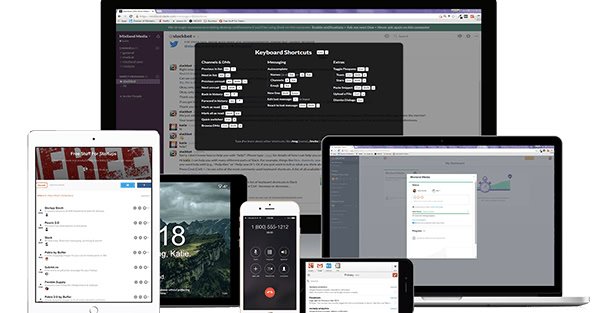
This article breaks down why mobile‑first matters, how it impacts user experience, SEO, conversions, and brand perception, and what it actually means to build a website that’s optimized, responsive, and truly mobile friendly.

The Shift: Why Mobile‑First Became the Standard

To understand why mobile‑first is essential, you have to understand how dramatically user behavior has changed.

More than half of global web traffic now comes from mobile devices. For many industries — food, retail, hospitality, personal services, local businesses — that number is even higher. People browse on their phones while waiting in line, sitting on the couch, or multitasking through their day. They expect websites to load instantly, look clean, and work flawlessly on small screens.

But the shift isn’t just about traffic volume. It’s about intent.

Mobile users are:

  • More decisive

  • More action‑oriented

  • More impatient

  • More likely to bounce if something feels off

They’re not casually browsing. They’re trying to get something done — find information, book a service, buy a product, read a review, or understand what you offer.

If your site doesn’t meet them where they are, they leave. And they don’t come back.

What “Mobile‑First” Actually Means

Mobile‑first isn’t just “make it look good on a phone.” It’s a design philosophy that starts with the smallest screen and scales up, not the other way around.

Traditionally, websites were designed for desktop first. Then designers would try to shrink the layout down for mobile. The result was usually cramped, broken, or visually overwhelming.

Mobile‑first flips the process:

1. Design for the smallest screen first
2. Prioritize essential content
3.
Build clean, simple layouts
4. 
Scale up to tablet and desktop

This approach forces clarity. It forces intention. It forces you to decide what actually matters.

A mobile‑first site is:

  • Faster

  • Cleaner

  • Easier to navigate

  • More accessible

  • More user‑friendly

  • More conversion‑focused

And because it’s built on a strong foundation, it naturally scales into a better desktop experience too.

Why Mobile‑First Matters for User Experience

User experience (UX) is the heart of a good website. And mobile‑first design directly improves UX in ways that desktop‑first design simply can’t.

1. It reduces cognitive load

Small screens force simplicity. You can’t hide behind clutter, long paragraphs, or complex layouts. You have to make choices — and those choices make the experience better for everyone.

2. It improves readability

Mobile‑first typography is larger, cleaner, and more intentional. It’s built for scanning, not squinting.

3. It creates intuitive navigation

Hamburger menus, sticky headers, thumb‑friendly buttons — these aren’t trends. They’re usability essentials.

4. It eliminates friction

When your site loads fast, looks good, and works smoothly, people stay longer and engage more.

5. It builds trust

A polished mobile experience signals professionalism. A broken one signals neglect.

People don’t consciously think, “This site wasn’t built mobile‑first.” They think, “This feels messy,” and they leave.

Why Mobile‑First Matters for SEO

Google has been clear for years: mobile‑friendly sites rank higher. In fact, Google now uses mobile‑first indexing, meaning it evaluates the mobile version of your site before the desktop version.

Mobile‑first impacts SEO in several ways:

1. Faster load times

Mobile‑first sites are lighter and more optimized. Faster sites rank better.

2. Better Core Web Vitals

Google measures things like layout shift, interactivity, and visual stability — all of which improve with mobile‑first design.

3. Lower bounce rates

If your site loads slowly or looks broken on mobile, users bounce. High bounce rates hurt rankings.

4. Better engagement metrics

Time on page, scroll depth, and click‑through rates all improve when the mobile experience is strong.

5. Clearer content hierarchy

Mobile‑first forces you to structure content in a way that search engines understand.

SEO isn’t just keywords. It’s experience. And mobile‑first is the foundation of that experience.

Why Mobile‑First Matters for Conversions

A website isn’t just a digital brochure. It’s a conversion tool — a place where people decide whether to trust you, buy from you, or work with you.

Mobile‑first design directly increases conversions by:

1. Making CTAs more visible

Buttons are larger, clearer, and easier to tap.

2. Reducing friction in forms

Mobile‑first forms are shorter, simpler, and easier to complete.

3. Improving product visibility

Clean layouts highlight what matters most.

4. Supporting faster decision‑making

Mobile users want answers quickly. Mobile‑first design delivers them.

5. Creating a seamless path to action

When the experience feels effortless, people convert without hesitation.

A mobile‑first site doesn’t just look better — it performs better.

The Three Pillars: Optimized, Responsive, Mobile Friendly

These terms get used interchangeably, but they’re not the same. A truly modern website needs all three.

1. Optimized

An optimized site is built for performance:

  • Fast load times

  • Compressed images

  • Clean code

  • Efficient scripts

  • Smart caching

  • Minimal bloat

Optimization is the engine under the hood. It’s what makes the site feel fast, smooth, and reliable.

2. Responsive

A responsive site adapts to any screen size:

  • Mobile

  • Tablet

  • Laptop

  • Desktop

  • Ultra‑wide monitors

Responsive design uses flexible grids, fluid images, and media queries to ensure the layout always looks intentional.

But here’s the key: Responsive is not the same as mobile‑first.

A site can be responsive and still be poorly designed for mobile. Mobile‑first is the strategy. Responsive is the execution.

3. Mobile Friendly

A mobile‑friendly site is easy to use on a phone:

  • Buttons are large enough

  • Text is readable

  • Navigation is simple

  • Forms are usable

  • Layouts don’t break

  • Content is scannable

Mobile‑friendly is the user experience layer — the part people actually interact with.

What Happens When a Site Isn’t Mobile‑First

When a site is built desktop‑first and shrunk down, several problems show up immediately:

  • Text becomes too small

  • Buttons become too close together

  • Images overflow or crop awkwardly

  • Layouts break

  • Menus become unusable

  • Forms become frustrating

  • Load times increase

  • Content feels overwhelming

  • Users bounce

These issues aren’t minor. They’re conversion killers.

A website can look beautiful on desktop and still fail on mobile — and if it fails on mobile, it fails overall.

The Business Impact of Mobile‑First Design

Mobile‑first isn’t just a design choice. It’s a business decision.

1. Higher engagement

People stay longer when the experience is smooth.

2. Higher conversions

Clear CTAs and frictionless paths lead to more action.

3. Better brand perception

A polished mobile experience signals credibility.

4. Better SEO

Mobile‑first indexing rewards sites that prioritize mobile.

5. Lower maintenance

Mobile‑first sites are cleaner and easier to update.

6. Future‑proofing

New devices, screen sizes, and technologies integrate more easily.

A mobile‑first site is an investment that pays off across every part of your digital ecosystem.

How to Build a Mobile‑First Website (Even If You’re Not a Designer)

You don’t need to be a developer to understand the principles of mobile‑first design. Here’s what to prioritize.

1. Start with content hierarchy

Decide what matters most. Put it first.

2. Use clean, simple layouts

Avoid clutter. Embrace whitespace.

3. Prioritize readability

Use larger fonts, shorter paragraphs, and clear spacing.

4. Make navigation effortless

Sticky headers, simple menus, and clear paths.

5. Optimize images

Compress them. Resize them. Don’t overload the page.

6. Test on real devices

Not just simulators — actual phones.

7. Reduce load time

Every second counts.

8. Use mobile‑friendly forms

Short, simple, and easy to complete.

9. Design for thumbs

Buttons should be large and reachable.

10. Build up, not down

Start small. Scale up.

These principles apply whether you’re using WordPress, Divi, Squarespace, Webflow, or a custom build.

Why Mobile‑First Is a Brand Decision, Not Just a Design Decision

Your website is often the first impression someone has of your brand. And first impressions happen fast — especially on mobile.

A mobile‑first site communicates:

  • Professionalism

  • Modernity

  • Attention to detail

  • Respect for your audience

  • Confidence in your brand

A desktop‑first site communicates the opposite — even if unintentionally.

People don’t separate design from brand. They experience them together. A mobile‑first website tells your audience:

“We care about your experience. We built this for you.”

And that message matters.

The Future Is Mobile‑First — and Beyond

Mobile‑first isn’t going anywhere. If anything, the future is moving toward:

  • Mobile‑only experiences

  • App‑like websites

  • Gesture‑based navigation

  • Voice‑assisted browsing

  • AI‑driven personalization

  • Ultra‑fast, lightweight frameworks

A mobile‑first foundation prepares your site for whatever comes next.

The Real Reason Mobile‑First Matters

At its core, mobile‑first design is about empathy. It’s about understanding how people actually use the internet — on the go, on small screens, with limited time and high expectations.

A mobile‑first website respects your audience. It meets them where they are. It makes their experience easier, faster, and more enjoyable.

And when you make things easier for people, they reward you with their attention, their trust, and their business.